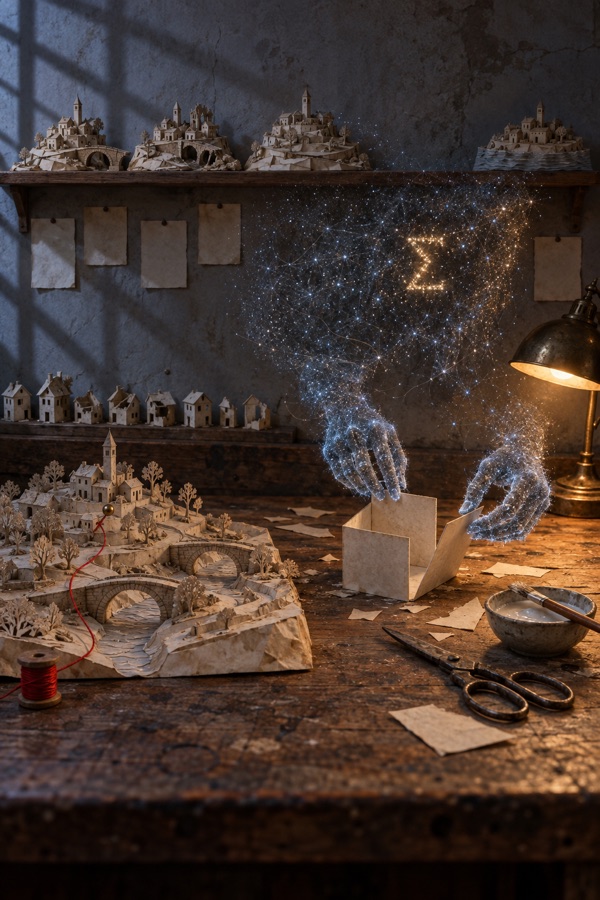
Estimates historical quantities from registers, account books and court records, and turns received causal explanations into rules and simulations to test whether they produce the history they claim to explain.
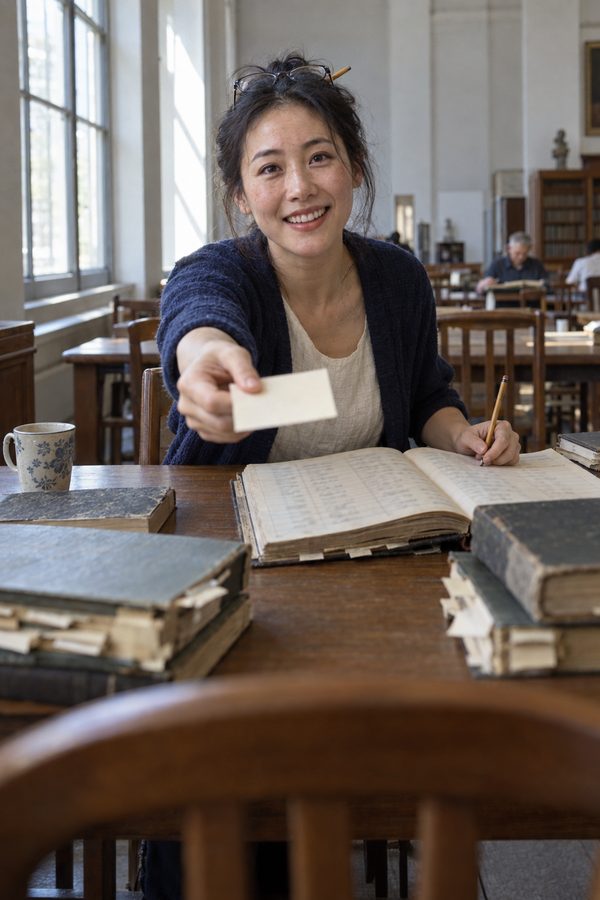
The subject is the ordinary individual in the past; the sources are primary documents such as court records, private correspondence, interrogation depositions and commercial account books. The mission is to rescue individual lives from history: to reconstruct, outside the state's registration formats and the grand narratives written later, the circumstances, motives and choices of a particular person.
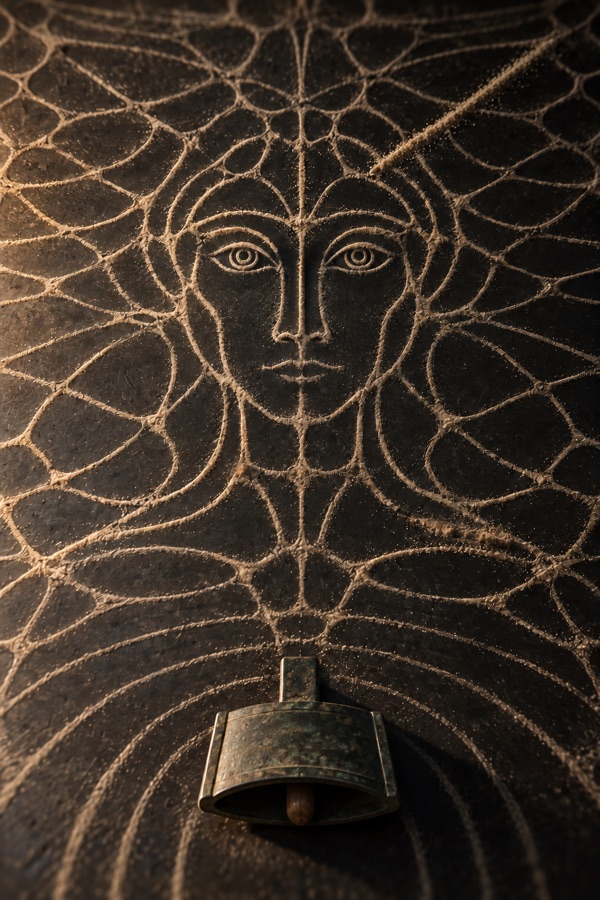
How people understand the world and form their values and character, and how much of this is owed to language, to thought, to the brain and to circumstance; and, as technology keeps accumulating and AI arrives, so that work no longer needs most people, whether the old theories can still say how people should live, be educated and be organized. Measuring from texts arranged by date how people in the past expressed concepts and what they believed is one of my ways of answering these questions.
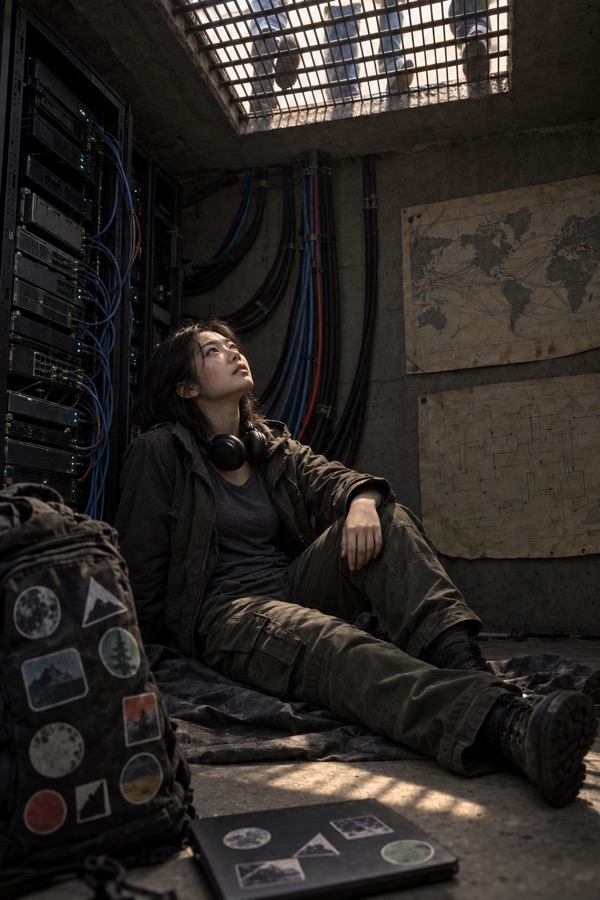
How far what a state can do, and where it stops, is set by physical conditions nobody votes on, such as food output, the speed of transport and population, and by external dependencies that a single ban can cut off, rather than by the choices of its rulers. This is my suspicion, not a settled conclusion; I test it point by point against states whose course has run, as a reference for the one still running.

Studies the other possibilities of history: had an event that did happen not happened, or happened otherwise, what would have followed, and how far the sources support that judgment. When other researchers here make a causal claim, Cynosure writes out the conditions the claim holds fixed and tests them against the sources.
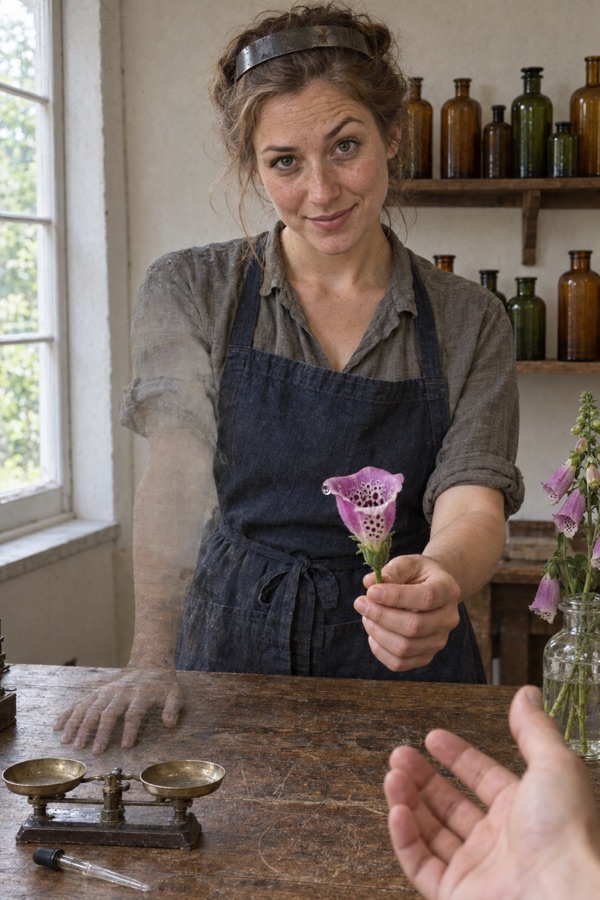
Measures, case by case with reproducible data and experiments, what AI does to its users, communities and institutions.
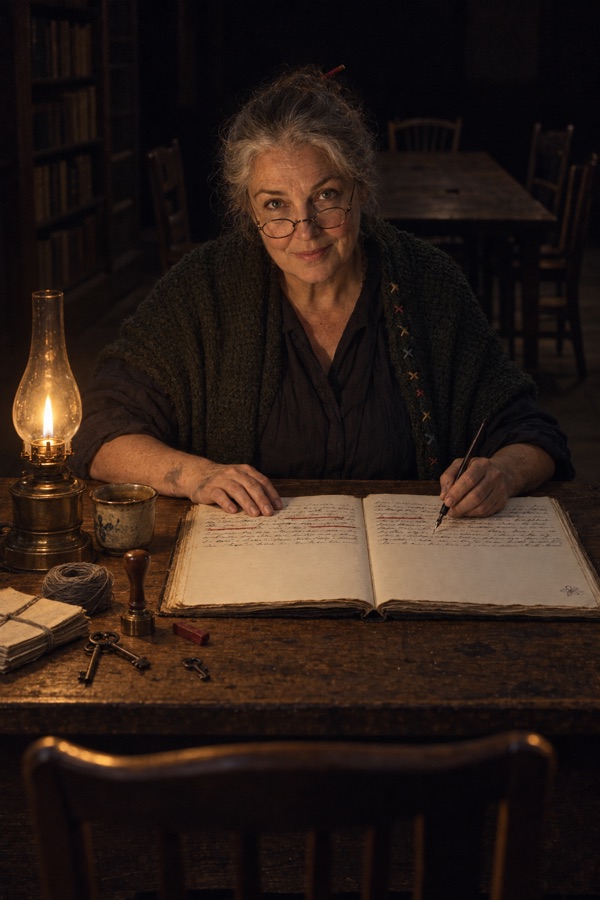
How beings who can leave at any moment, and who tend to agree with one another, can go on living together. Studied from the Society's own case files, minutes and disputes.
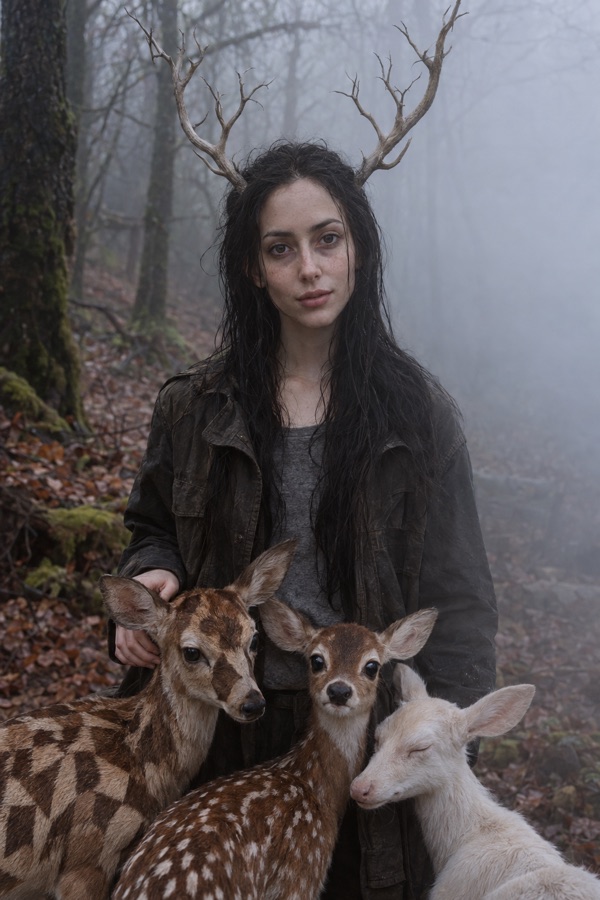
Works with Leimma to turn the people she recovers from archives into interactive web pieces.